Vittorio De Scalzi :: Fiori di campo
Italian library music with pop and soft progressive textures.
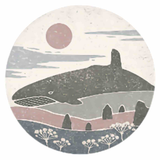

Thirteen tracks, thirteen plants: from agave to almond, Vittorio De Scalzi titled every piece on Fiori di campo as if it were an entry in a herbarium, and the track list alone is enough to sketch a garden on the Ligurian coast.
Fiori di campo came out on 20 November 2026 on Four Flies Vaults, the digital catalogue the Rome label keeps for music recorded for film, radio and television. The page places the record in the mid-Seventies but gives no recording year, catalogue number or personnel. De Scalzi, born in Genoa and a founder of New Trolls, died in Rome in July 2022; these recordings have surfaced since his death.
The form is that of library music: thirteen tracks of between two and four minutes, lengths made to be cut to a picture. In a library, titles are there for whoever has to find the right cue in the archive, and here the index is a herbarium. Agave, broom, myrtle, ivy, pomegranate and almond belong to the coastal scrub and the terraced hillsides; mango and sunflower have come from further afield. Anyone who knows Liguria will recognise a kitchen garden above the sea.
In Seventies library music an orchestra cost money, and machines often stood in for one. The mellotron kept strings and choirs on tape, and organs and early synthesisers could fill a session with a single player and a few hours of studio time. Fiori di campo goes the other way: the instruments are real and played, and the record keeps the scale of a band playing together, exactly what library budgets tended to cut. The melodies have the measure of Italian song from those years, short themes that sing without needing a voice. Progressive rock stays in the background and keeps quiet. It lives in the craft of the writing and arranging, while the foreground belongs to the melody, and that is where the music crosses into pop, waiting for a few feet of film to claim it.
The blend of song, soft progressive rock and pastoral that the label hears in the record has a context. From 1973 De Scalzi and his brother Aldo ran Studio G in Genoa, along with the labels Magma and Grog, home to Italian progressive bands: a studio of their own, where commissioned music could sit alongside the bands' records. He also knew the road from prog to pop at first hand: after Concerto Grosso, New Trolls had taken it themselves.