Sóley :: We Sink
Icelandic chamber folk-pop built on piano and household rhythms.

For the beat of “I’ll Drown”, the song that opens We Sink, Sóley Stefánsdóttir used things found around the house, among them a fork and a stick picked up in the garden.
We Sink came out on 2 September 2011 on Morr Music, the Berlin label whose founder, Thomas Morr, had asked her for songs while she was on tour with Seabear, Sindri Már Sigfússon’s band, with whom she had been playing keyboards since 2006. The demos she sent him became the Theater Island EP in March 2010, and three of those tracks return here in new versions. Sóley comes from a family of musicians, with a trombonist and music teacher for a father, and she studied piano and composition.
She plays most of the instruments herself, from piano and organs to guitars and marimba, and all the percussion, with one credit that simply reads “noises”; friends and family add drums, bass, backing vocals and clarinet. She did nearly all the rough mixes herself, and the final mix was done at Sundlaugin, Birgir Jón Birgisson’s studio.
Sóley writes her songs as stories with a beginning and an end, set in a private world governed by dream logic, and leaves the listener to edit them together like a short film. A house recurs, often with an outsider arriving, and the album’s title already tells you how those stories end: they sink. The music that tells them is nearly always gentle and tidy, and the record’s worth lies in how well that gentleness serves the story.
In “I’ll Drown” the skeletal rhythm of household objects holds up a full, absorbing voice, almost confessional, its volume rising with the feeling. The chorus has the lift of a love song, the verses follow an old man and a girl who has turned up at his place, and we learn little more about them.
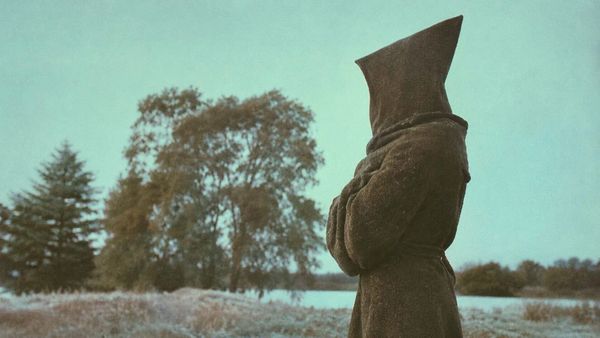
In “Smashed Birds”, which began on piano and moved to guitar in the studio, a girl spends her last day in the house she shared with someone, and the song follows the end of her world through to an unexpected calm. The video by Inga Birgisdóttir, who also made the cover art, won Best Music Video at the 2011 Icelandic Music Awards, the same year the album took the Kraumur Award.
“Kill the Clown” is theatrical, built around piano, and seems to have come out of a small provincial theatre, all plasterwork and velvet curtains. It shows most clearly how the album moves: folk pop with a vein of modern baroque, looking for a light, almost reticent way of handling very earthly dramas, with the gentleness turned into staging.
The voice in “I’ll Drown” stays close, but the sweetness around it smothers the story, leaving the lyrics to carry it alone. The same gentleness works when a story asks for peace: in the farewell of “Smashed Birds”, where the end of the world brings relief, words and sound pull in the same direction, and it is the record’s high point.