Katherine Priddy :: These Frightening Machines
Contemporary folk, full-band arrangements, literary songs and quiet tension

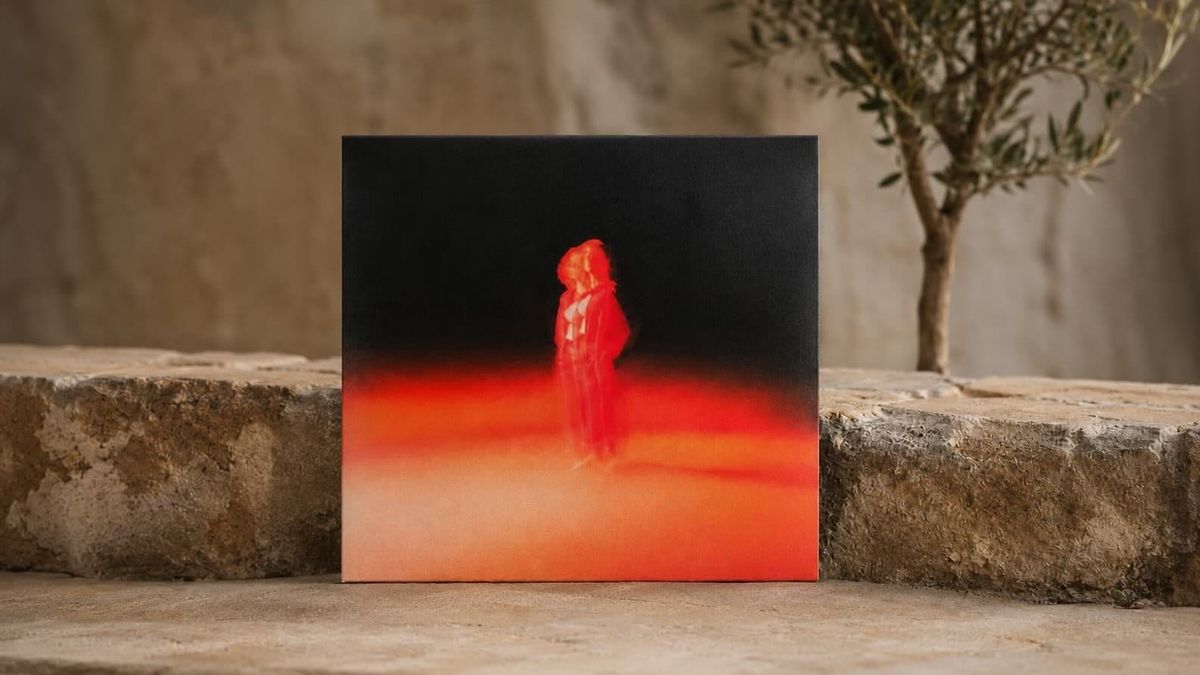
These Frightening Machines arrives as Katherine Priddy's third record, the one where the Birmingham songwriter trades the solo-acoustic posture of her debut for a full band without losing the literary spine that gave The Eternal Rocks Beneath the feel of something excavated.
Rob Ellis produces with a hand light enough to let the songs keep their original grain, even as horns, electric piano, drums and mandolin thicken what used to sit bare.
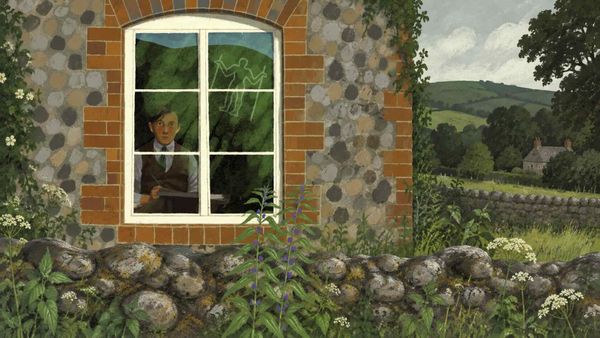
"Matches" opens with the record's most combative gesture, a meditation on centuries of women punished for existing loudly, the rhythm section pushing hard enough behind Priddy's voice that the history refuses to read as costume drama. The title track pulls inward, a hospital-ward confession delivered with a calm that makes the fear underneath more legible.
By "Sirius" the record has already loosened its collar, a shuffling pop hook slipped inside what still passes for folk. "Hurricane" travels furthest from her origins, a Latin-inflected sway, trumpet curling through burbling electric piano, built around a relationship gone dangerous, the danger kept at arm's length by rhythm alone, never allowed to slow into confession. Torres joins on "Madeleine," her presence lending the song's complaint about a female artist's erasure the weight of firsthand testimony, Maddie Cutter's cello moving underneath like something trying not to be noticed.
"Atlas" carries Priddy's usual classical undertow, the myth left loose enough to double as ordinary exhaustion. "A Matter of Time" turns the percussion ominous, an insistent tick under the vocal line. "Table Four" sits quieter within the sequence, easy to underrate on a first pass. "I'm Always Willing," written with George Boomsma, gives Richard Walters a duet built on mandolin, an Americana lilt threaded underneath that suits Priddy's voice better than expected.
"Could This Be Enough?" closes the record on its most exposed moment, multitracked vocals thinning down to a single unaccompanied line, the album ending deliberately unresolved. Priddy has said as much herself, treating the question mark as the honest ending for a thirty-year-old still working out her own shape.
The two poles of the record — matches struck against inherited violence, machines humming beside a hospital bed — read like the same body measured centuries apart, still finding out what isn't hers to keep.
A combative rhythm section keeps the song’s history of punished women from settling into costume drama.
Trumpet, electric piano and a Latin-inflected sway hold a dangerous relationship at enough distance to stop the song collapsing into confession.
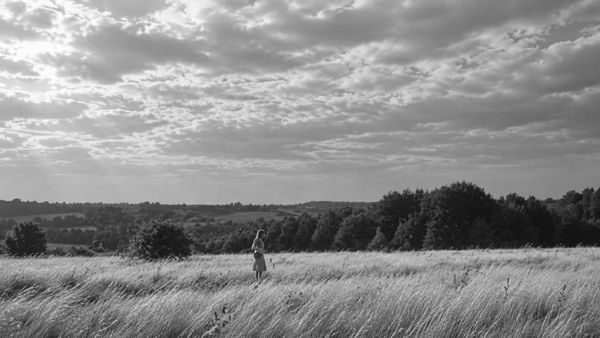
Multitracked voices thin to a single unaccompanied line, leaving the album deliberately unresolved.
Nothing here rushes. The record stays loyal to its mid-tempo pulse, uninterested in spectacle — a choice that rewards patience far past volume.