Woodwose :: Woodwose
Psych folk, fuzz guitar, flute and intertwined female voices
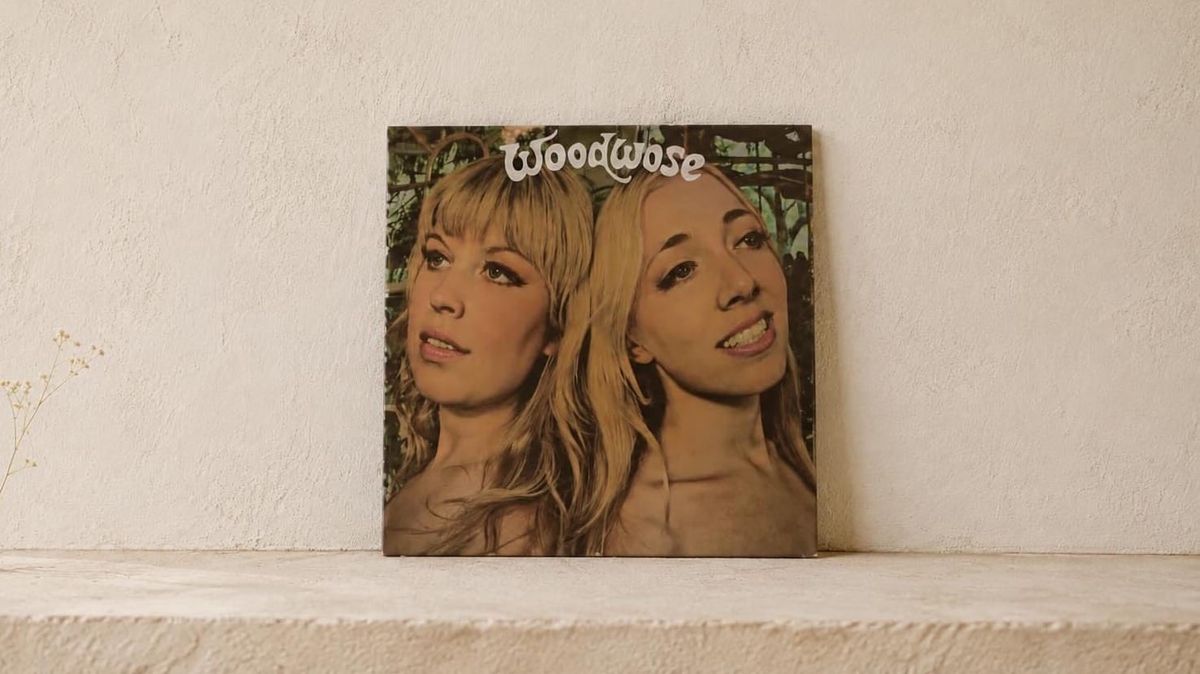
Woodwose sounds old in several incompatible ways: pastoral song, electric weight and the afterimage of the city’s psych-folk underground occupy the same ground.
Recorded by Greg Weeks at Hexham Head in Philadelphia in 2007 and left unreleased for almost twenty years, Woodwosebrings together Jessica Weeks and Gillian Chadwick across eight songs built around guitar, Fender Rhodes, flute and tightly interwoven voices. Its belated appearance through the revived Language of Stone inevitably makes it a document of the American psych-folk milieu from which it emerged. To hear it only as recovered history, however, is to miss what remains most peculiar about the record.
Woodwose rarely needs to describe a ritual because the arrangements already behave like one. The voices meet in intervals that can seem companionable for a moment and faintly coercive the next. Behind them, guitar and Fender Rhodes keep troubling the apparent antiquity of the material.
“Younger Animals” makes that contrast particularly clear. Acoustic fingerpicking gives the song mobility, while fuzz guitar cuts across its surface and Weeks and Chadwick sing with an intimacy that seems almost at odds with the sound around them. Its melodic ease continues inside something much harsher.
“Three Pines” sets voice, flute and guitar at slightly different depths within the arrangement. The materials remain recognisably folk, but a distorted guitar with a prog-rock ancestry soon enters against the flute and voice, changing the song’s proportions before it gathers itself into something closer to gothic folk. It is difficult to place within any single tradition.
It is folk music caught mid-costume-change, one sleeve already antique, the other still plugged into the wall.
Elsewhere, “Fawn Incantation” and the closing “Grey Tide” slow the record considerably, allowing its heavier inheritance to surface more clearly. The Black Sabbath comparison makes sense less in terms of riff than mass: chords loom beneath voices that, curiously, seem to escape their gravity. “Amethyst”, by contrast, restores movement and lets in a more candid melodic light.
Perhaps the most revealing title is “At the Swimming Hole”. A swimming hole belongs to vernacular geography: a place made significant by repeated use rather than official designation. Woodwose work in much the same way. Their songs do not construct an imaginary old England, nor do they quite return to the American acid-folk moment that produced them. They establish small jurisdictions of their own, where flute, fuzz, electric keyboards and two female voices have somehow learned the same customs.
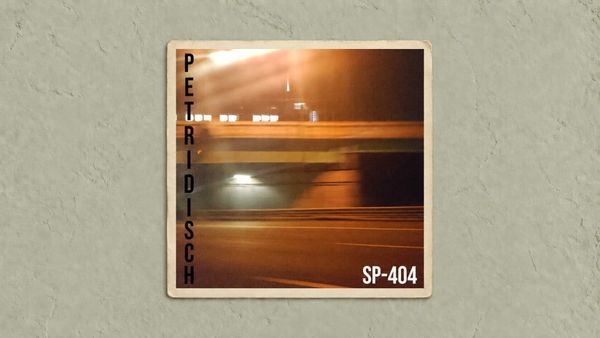
“Younger Animals”
Acoustic fingerpicking gives the song mobility while fuzz guitar cuts across its surface, the close voices remaining almost at odds with the harsher sound around them.
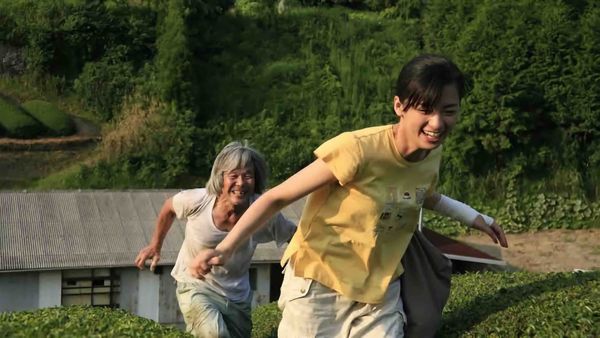
“Three Pines”
Voice, flute and guitar sit at different depths until distorted guitar changes the song’s proportions towards gothic folk.
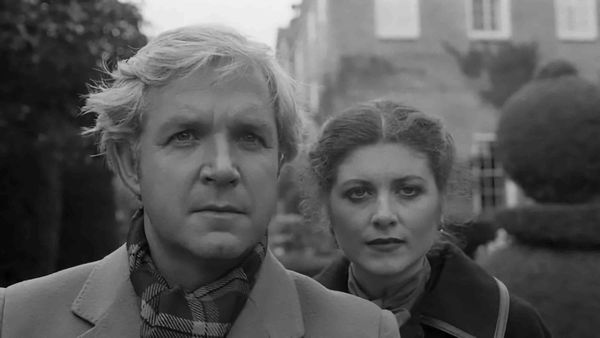
“At the Swimming Hole”
A small vernacular geography where flute, fuzz, electric keyboards and two female voices have somehow learned the same customs.
The same autonomy helps explain why Woodwose has endured a delay of almost twenty years so well. The album belongs recognisably to the peculiar flowering of American psych-folk in the mid-2000s, but its best music was never entirely obedient to that scene. Time has stripped away the immediate context. What remains is stranger.