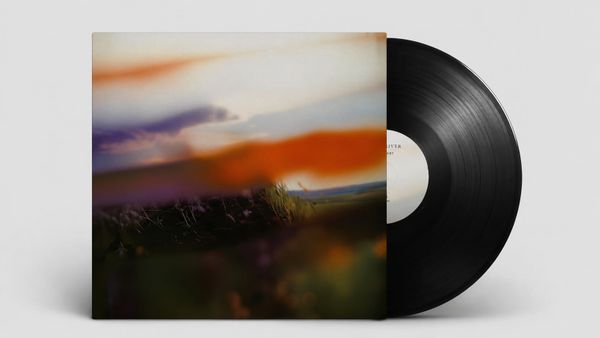
Lottie Brazier :: On Course But No-One There To Salute You
Pastoral post-punk for guitar, synths and the Suffolk marshes.


On Course But No-One There To Salute You came out on 20 November 2026 on Hand of Glory, on vinyl, CD, cassette and digital: eleven songs, thirty-eight and a half minutes.
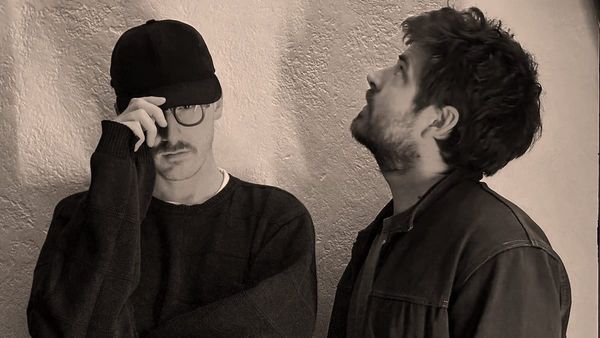
Brazier was born in Essex, grew up in Suffolk and lives in south London. She writes and produces on her own: she recorded everything at home, layering vocals and synths in Logic, then took the sessions to the 4AD studios to be mixed.
In her early twenties she wrote music criticism for The Wire and The Quietus, and the record lets it show: she knows in advance which adjectives will be hung on her. Anyone who comes through 4AD with reverb and delay gets called ethereal before opening their mouth. Brazier answers with a dry contralto over angular guitars, and with lyrics that call things by their names.
The centrepiece is "Redshift", nearly six minutes, the longest track. It grew out of cross-country runs through the countryside of her childhood and carries that landscape with it: the chimneys of the sugar beet factories, fields scored with geometric figures, marshland seen from above. The title points to Alan Garner, to the television version of Red Shift the BBC broadcast at the end of the seventies, in which a single patch of Cheshire holds three centuries and two young lovers wear themselves out across the distance between the north and the capital. In physics, redshift is the sign of a light source moving away. Brazier turns it into a refrain, repeating that everything is getting further away. The synth arpeggio takes you back to those years, when television filled its gaps with the library music we now call hauntological while, in provincial garages, bands were already rehearsing post-punk. In the song the two meet, and underneath the bass pulses restlessly.
"Look Outside" opens on a solemn note. The singing draws on the gothic side of the eighties and on an older season, when rock allowed itself liturgy and a baritone could preach from the stage about the Californian desert. The nearest relative of this voice is Katie Sketch with The Organ, for its gravity and for a melancholy carried with its head held high.
In "Americans, Cowboys" the guitars stay folded into the mix and keep their grain even inside the dream pop: a minimal jangle, built on strummed chords that nudge the song toward a brighter mood.
"Dust clouds in Chicago", just voice and guitar, reduces the record to its skeleton and lets you see how dense it is. With everything else gone, the song rests on the performance and on writing that slips free of labels and stands up without leaning on any name.
"Do You Want To Be Lonely" closes the record, and closes it somewhere else. The synths swell until they sound like an orchestra, whereas across the album the land of her childhood had arrived in fragments, filtered through a narrow music, one image at a time. Here the landscape opens all at once, and the voice is left repeating the question in the title.
On Course But No-One There To Salute You is pastoral post-punk, the record of someone who has run a long way along the roads of Suffolk and brought every mile of them back home.