Elanor Moss :: The Knife, The Needle
Folk songwriting, tape flaws, family memory and unreliable stories
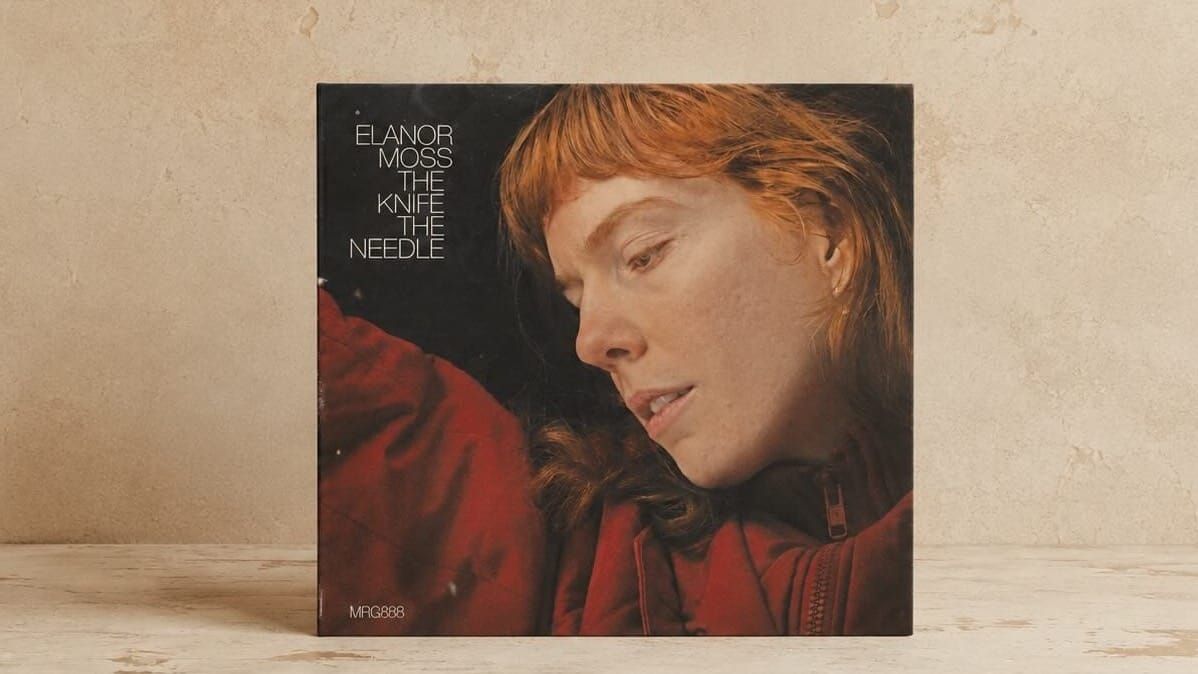
Released on 21 August 2026 by Merge Records, The Knife, The Needle is Elanor Moss’s debut and, in a certain sense, also her second debut.
A first version had been recorded in New York, almost finished, then abandoned. Moss wanted something quieter, stranger, more English. She was right.
An Elanor Moss song often feels like someone telling you what happened three days later. At first the story behaves itself. Then a detail comes back that wasn't there before. Someone was waiting in a car. A hand ends up around someone's neck. A grandmother watches tennis. Clothes are washed in a hotel sink.
The story goes on, but the facts have already begun to change owners.
Moss calls the voice in her songs a "fictional I". A useful precaution. Personal experience supplies the material, then she moves names, places, responsibilities. "Sarah Waiting in the Car" comes from something she knows, while Sarah, the pub and the car belong to invention. The violence suffered and the violence one discovers oneself capable of come too close together here. It's the sort of thought people usually leave alone. Moss doesn't.
In "Fixer" Moss's guitar holds the piece while Matthew Herd arranges saxophone, flugelhorn, tenor horn, fiddle and violin elegantly around the voice. She is the needle holding everything together: fine, precise, and yet that is enough to make every word carry a different weight.
"Again, My Love" feels smaller. The repetition belongs to the quieter part of everyday life, almost as if it were there to keep the mouth occupied while the thought is still looking for a shape. "You Are Coming Home Tonight" keeps all its certainty in the title. Underneath, there isn't much certainty at all. Moss has a way of taking very little, almost nothing, and making something from it that, through its beauty, ends up belonging to you.
Then there is "Improvisation". Moss had some chords and a saxophone motif; the group recorded a few versions. Towards the end of the reel the tape starts running badly and drags the pitch up and down. They keep that one. The pitch gets pulled around by the mechanical fault, as though somebody had put a finger against the edge of the record. For almost three minutes the machine takes part in the arrangement and nobody tries to put it back in line.
Some songs had been arranged in advance by Herd; others were worked out by the musicians during the recording. "Clothes in a Hotel Sink" belongs to the latter. Fiddle and horns find their place while the song is happening. You can hear it: nobody seems to have been given the job of making the words important. And the words are about touring, sex, selfies, self-help, wet clothes. The sort of stuff that usually stays on the floor while a song decides to concern itself with feelings..
"Louise" brings more body into it: double bass, piano, drums, horns, strings. The family comes in and the record fills up with it. Age, illness, tennis on television, young love moving quickly while an older person spends the afternoon in front of the screen. The family memories come in mixed up with everything else, as they usually do, without waiting for the right moment.
At the end, "The Way That It Feels" clears everything away. Moss, classical guitar, the birds left in the recording. After all those instruments you can almost hear the edge of the microphone. Knowing someone becomes an equally precarious business: you spend years learning a person, their morning face, their habits, what makes them laugh, and still discover that some part of them was never accounted for.
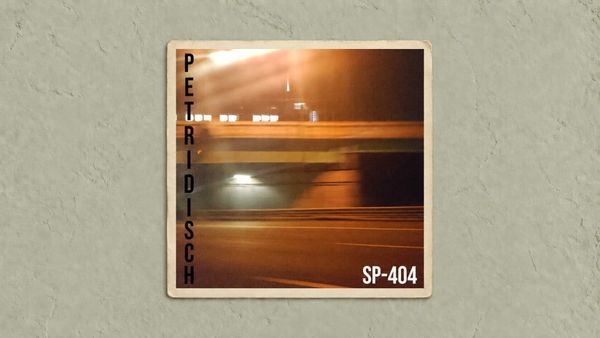
"Fixer"
Moss's guitar holds the piece while saxophone, horns and strings are arranged around the voice; the needle is what keeps everything together.
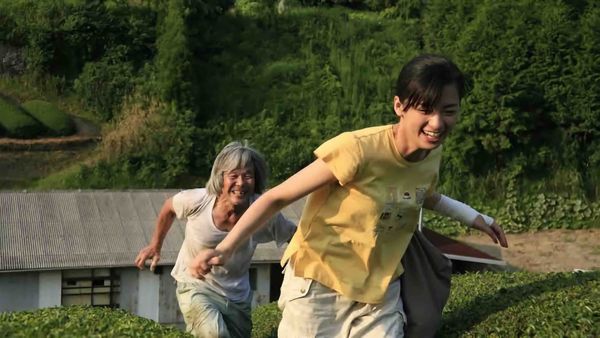
"Improvisation"
The tape runs badly and drags the pitch up and down; for almost three minutes the machine takes part in the arrangement.
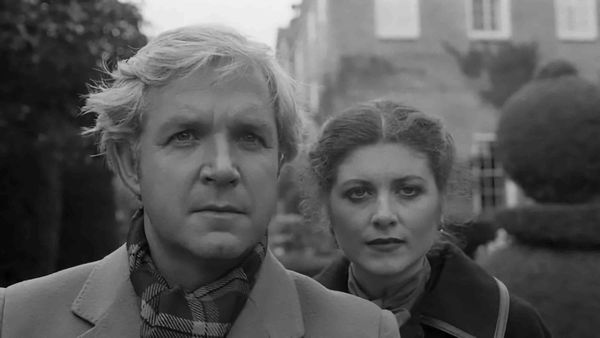
"The Way That It Feels"
Moss, classical guitar and the birds left in the recording; after all those instruments, you can almost hear the edge of the microphone.
The Knife, The Needle is beautiful. Sometimes that beauty gets in the way. Voice, guitar and horns can distract you from what Moss is doing to the stories. She dirties them, remembers them badly, changes a few names, lets a faulty machine in. At the end the clothes are still there in the sink. And perhaps it was better not to wash them too much.